For 1:1
Coaching opens what the prepared answer can't reach.
In coaching, in therapy, in any one-on-one that reaches past the prepared answer, some of the work has no words yet. The deck is how you get there.
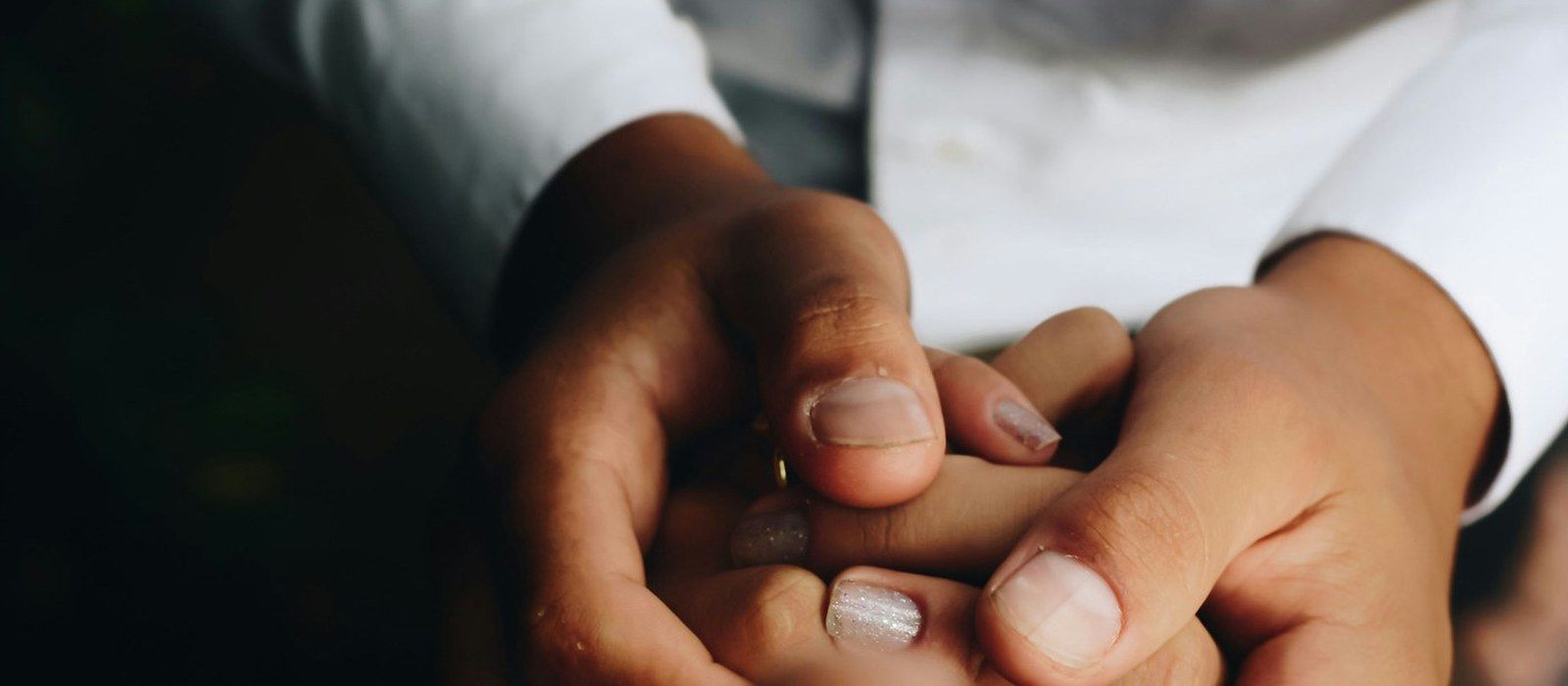
Most coaching conversations live in the language the client has already used about themselves. The story they came in with. The reframe they've already half-tried. The presenting issue standing in front of something else. Necessary, sometimes. Insufficient often.
Aperture works at a different angle. The image lets the client respond from somewhere other than the rehearsed narrative. What they actually see. What they actually notice. What they couldn't quite say yet. The conversation that follows is on different terrain than the one that was about to happen.
The deck holds across the dyadic work. Opening rounds. Mid-session reframes. Closing rounds. Hard moments where the client doesn't have language yet. Coaching presence and psychodynamic depth both available, used when earned. Never required.
Three moments in a coaching session.
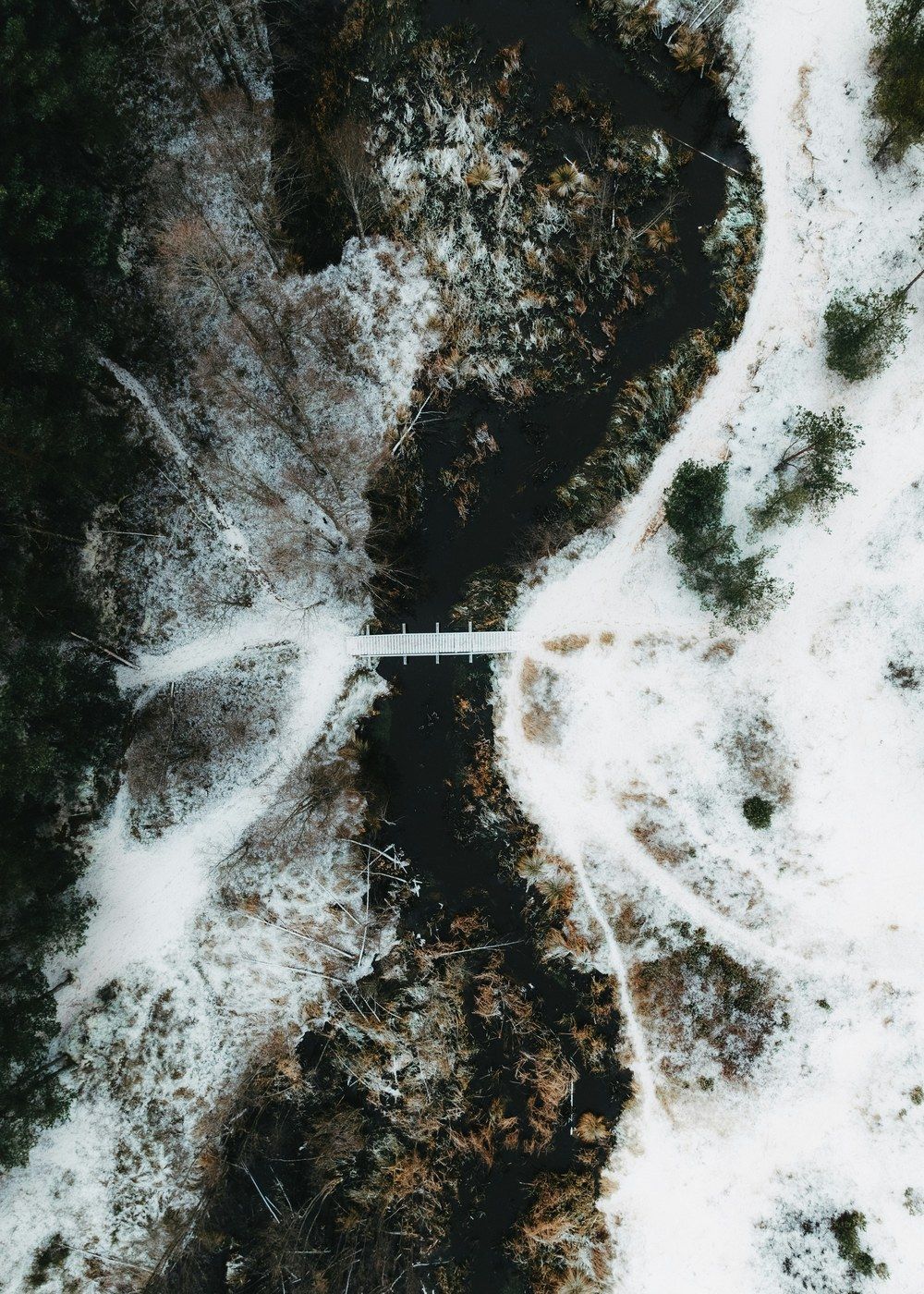
Start somewhere that isn't the agenda.
"What comes up for you in this image?"
Sessions default to status check and agenda preview. Both have their place. Neither gets to what's actually here today. An image at the start, offered face-down or chosen open, gives the client a way in that doesn't run through the presenting issue. The conversation begins on different ground.
Notice where you actually are.
"Pick a few images of where you find yourself right now."
A client can be in more than one place at once. Loyal and resentful. Ready and afraid. Most coaching reframes try to resolve the tension by naming it. The deck holds it instead. A few images give the client room to name the loudest piece, the quieter piece, and what's pulling between them. The reframe lands differently.
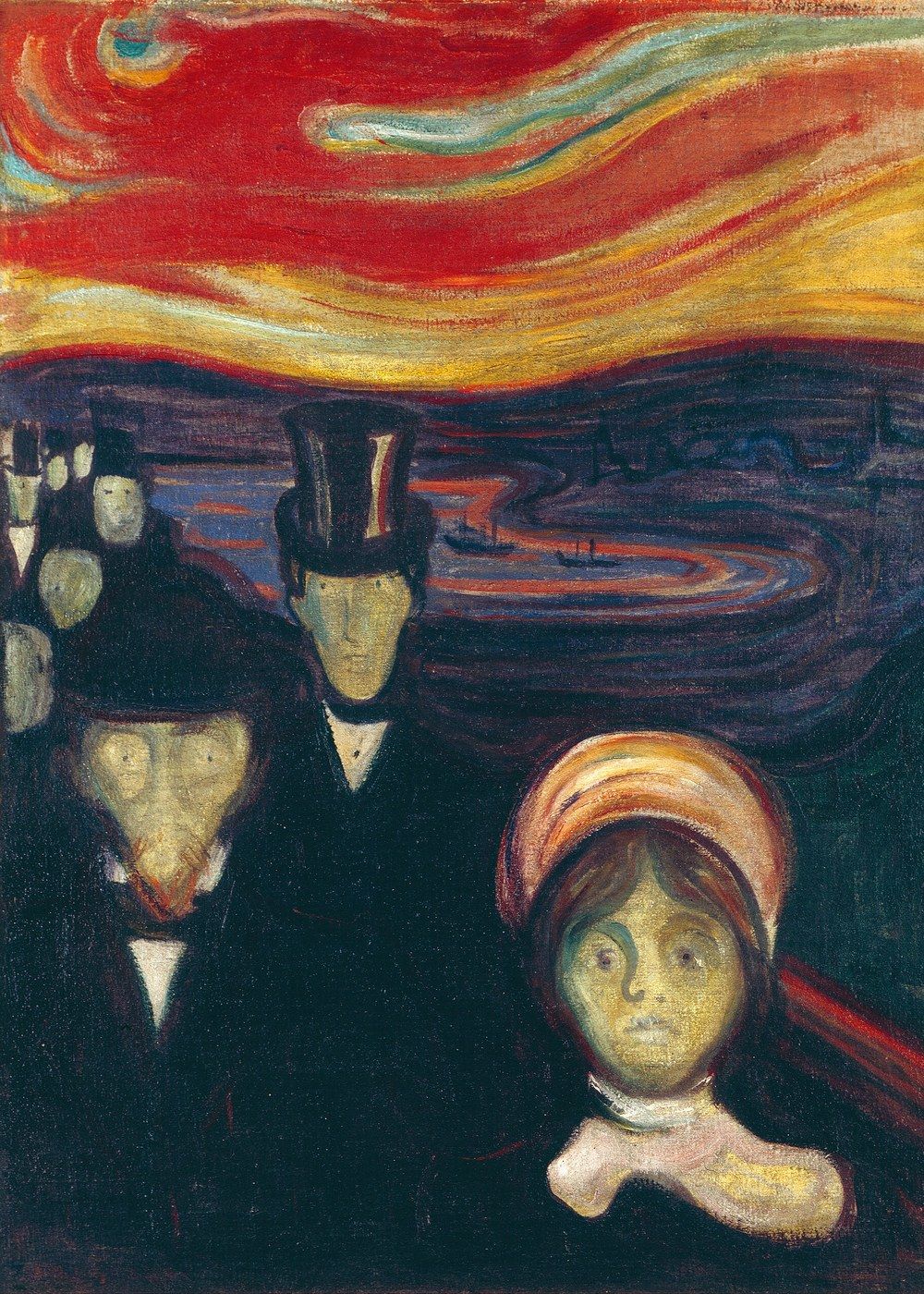

End with what you'll carry.
"Which image holds what we just did?"
Coaching sessions often end in summary or commitment language. Both fade. An image the client picked and explained carries something the words can't. They take it with them. The next session opens against what the image is still doing in them, not what they said they'd do.
Two ways the deck enters a 1:1 session. Pick the one that fits your moment, or run both in the same hour.
Conscious pick from a visible deck.
The client browses the deck and picks what resonates. The conscious choice is part of the material. Default for opening rounds and most reflective moments.
Random draw, image revealed.
A brief shuffle, a face-down pile, a tap to reveal. Random selection bypasses what the client thinks they should pick. Default for the harder topics.
She picked an image she couldn't explain. By the end of the hour she could.
· A coach, paraphrased