For workshops
Workshops live in language. Aperture is the move into something else.
Twenty-eight minutes in and they're still in the heads. Answers to questions they were going to give whether or not they meant them. The deck is how you change that.
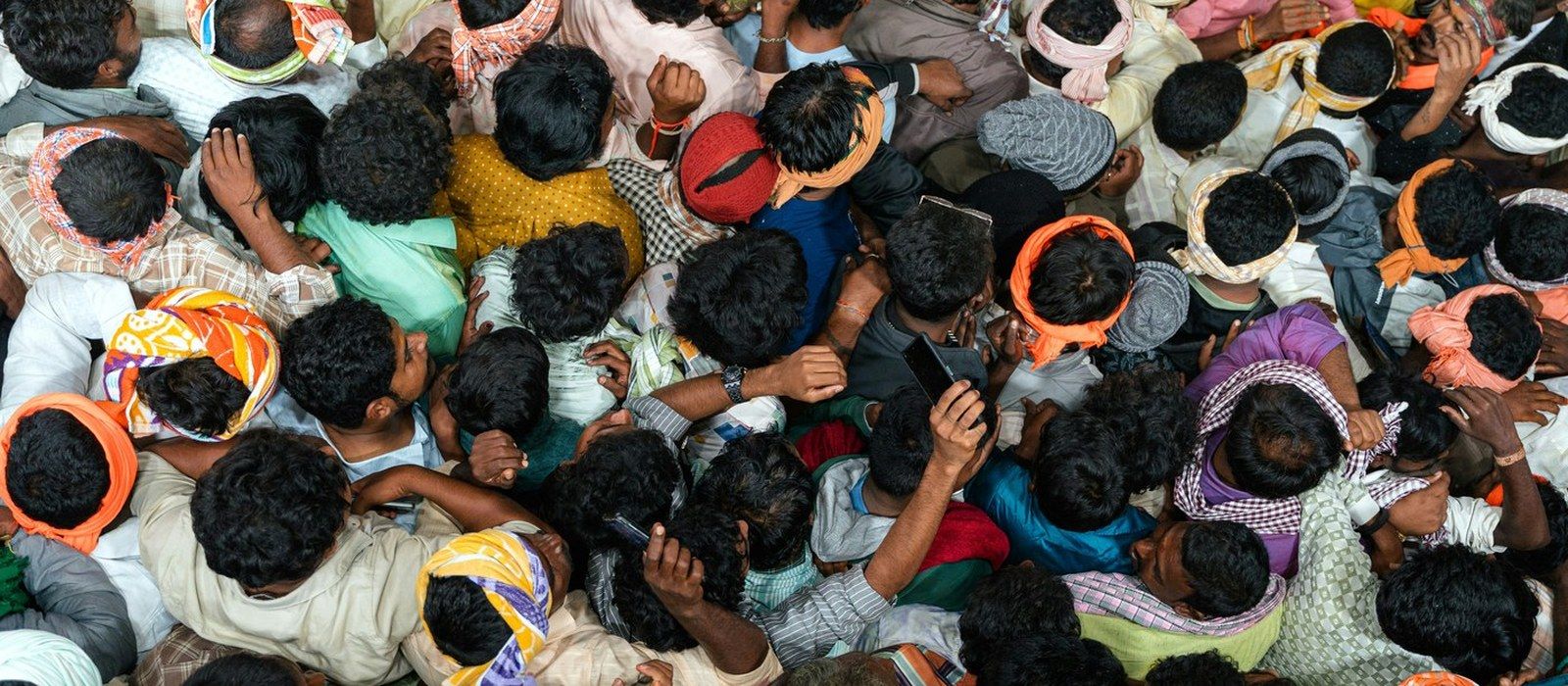
Most workshops live in the cognitive halves: the concept (what is it?) and the practice (how do you use it?). Necessary work.
Aperture moves across the rest. The deck helps participants connect to the why, experience the what through image rather than language, and think differently about the what if. Both halves of the brain.
For 4MAT practitioners: this tool helps you walk the cycle.
Three moments in a workshop.
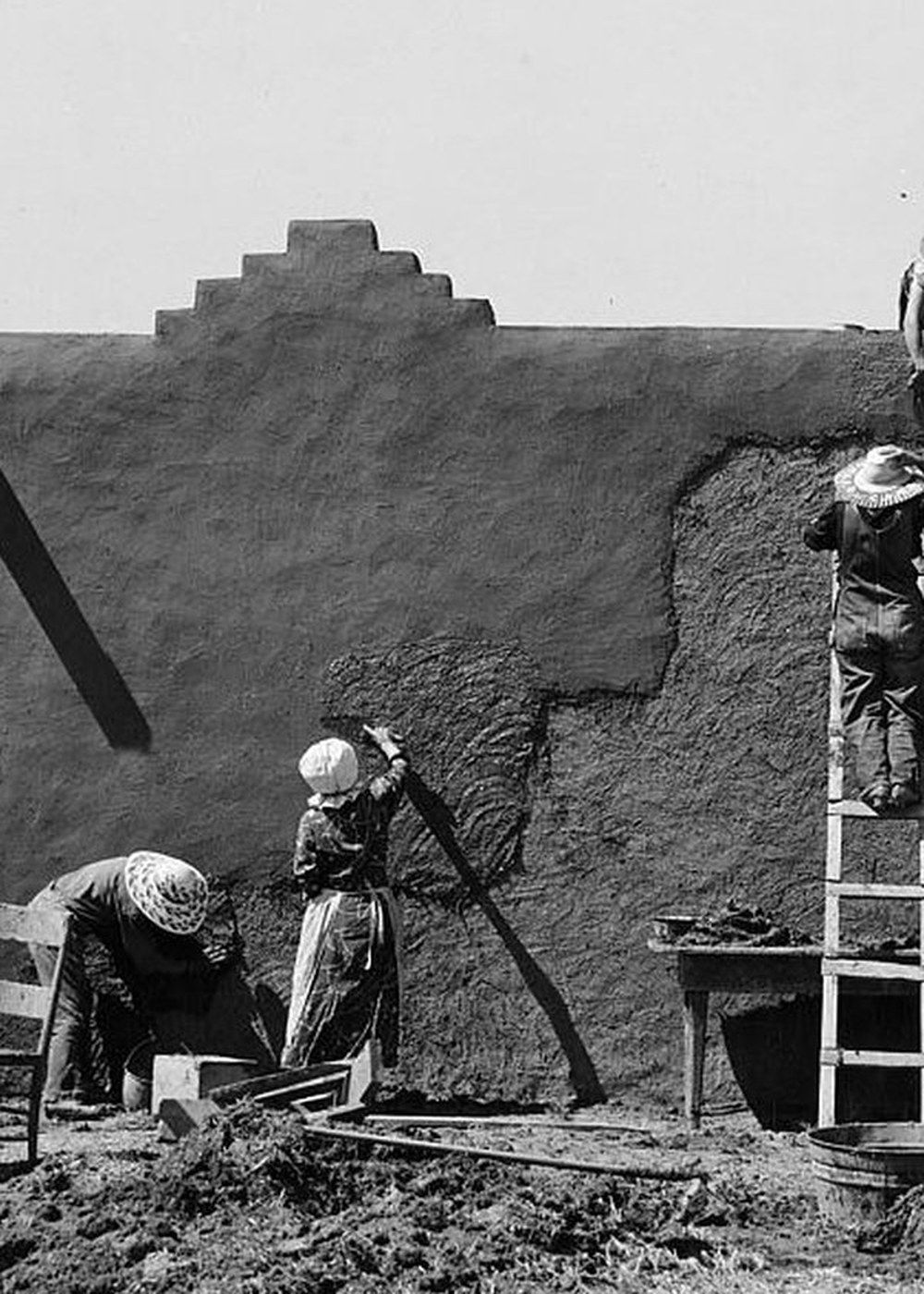
Before they have language for it.
"Pick an image of what you're bringing into this conversation."
An opening round that accesses pre-cognitive material before the workshop's frameworks arrive. Participants get to a different starting point than the one they would have rehearsed on the walk in. The room knows it's working differently within five minutes.
Get out of cognition for one breath.
"Pick an image of what's actually happening in this conversation right now."
A mid-workshop check-in. Participants who have settled into their cognitive defaults shift register. The image bypasses the answer-they-were-going-to-give. The discussion that follows is on different terrain than the discussion that was about to happen.

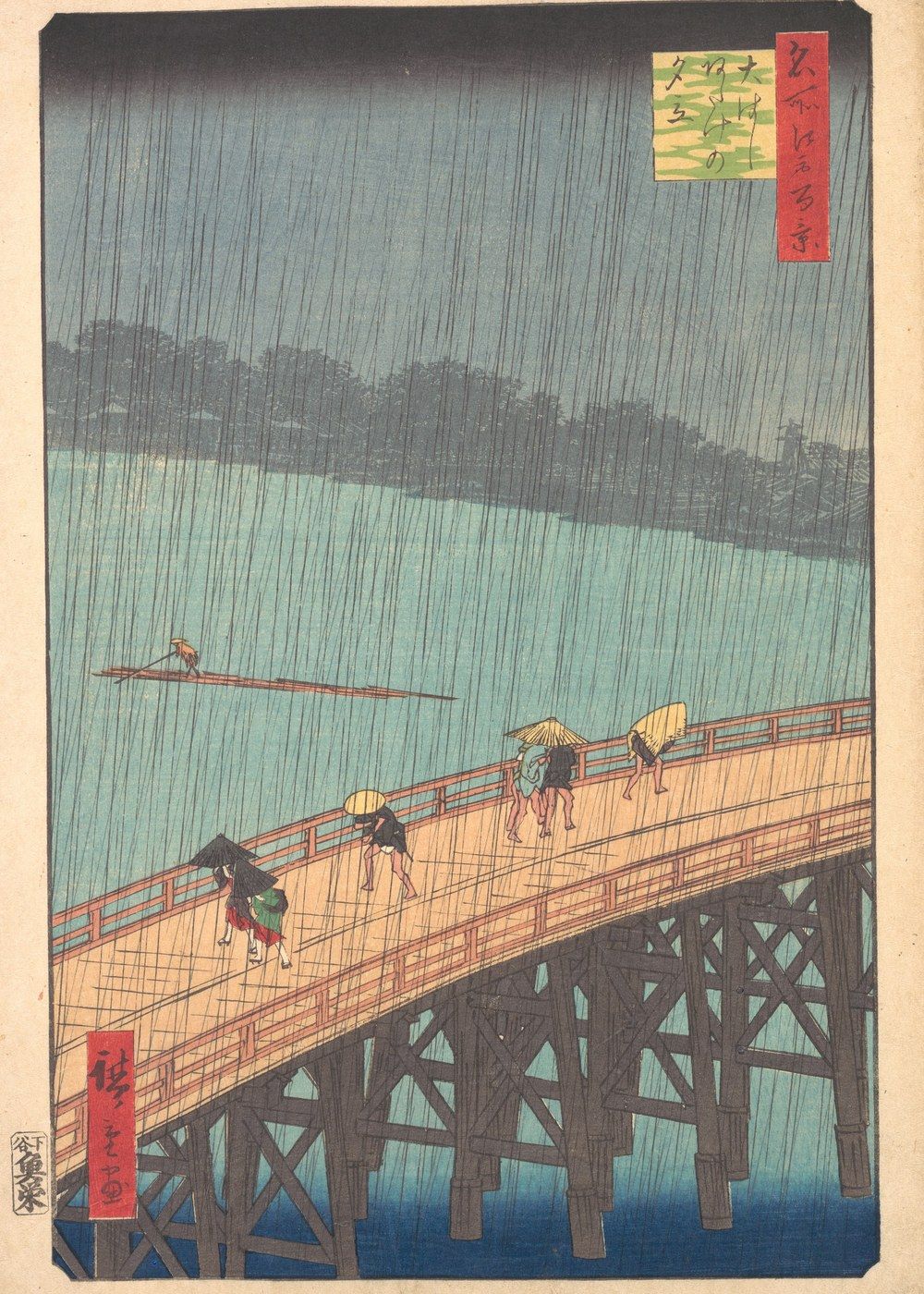
Land it in non-verbal memory.
"Pick an image of what you're taking with you."
The closing round. Workshops that end in summary-bullets fade by the next morning. Workshops that end in an image the participant picked and explained land in a different kind of memory. Or display all the picks together and let the group read the pattern across them. They walk out with something that doesn't need translating back.
Two ways the deck enters the room. Pick the one that fits your moment, or run both in the same session.
Conscious pick from a visible deck.
Participants browse the curated deck and pick what resonates. The conscious choice itself is part of the material. Default for opening rounds and reflective moments.
Random draw, image revealed.
A brief shuffle, a face-down pile, a tap to reveal. Forced-random selection bypasses conscious bias and surfaces material the participant wouldn't have chosen for themselves. Default for the harder topics.
I'd been working with this team for six months on what they couldn't yet say to each other. Twenty minutes with the deck and they finally said it.
· A facilitator, paraphrased