For leaders
Leadership lives where the polite answers stop.
Strategic shorthand. The agreed-on framing. The "I'm great" check-ins. The deck moves the conversation to where it's actually been waiting.
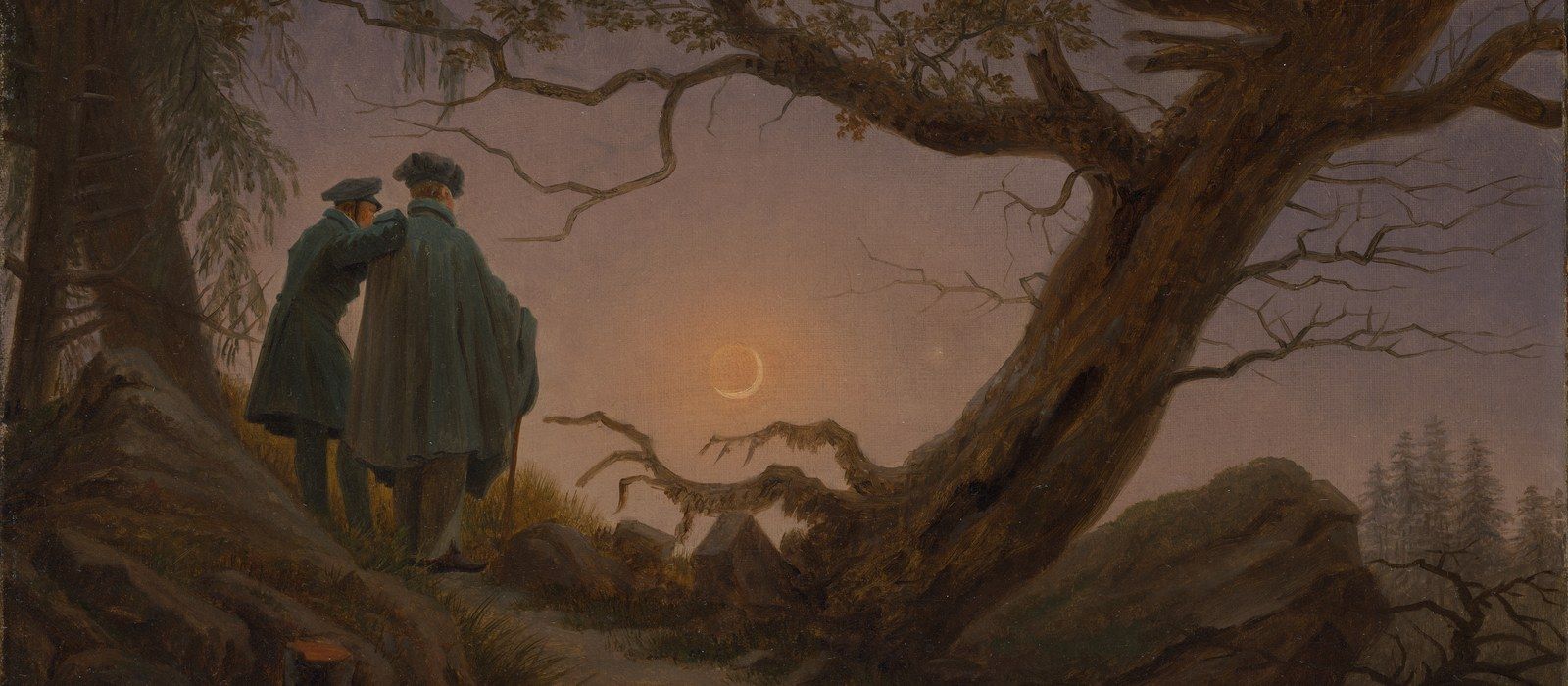
Most leadership conversations live in the language people have learned to use in leadership conversations. The strategic shorthand. The polite agreements. The status updates that are mostly status. Necessary, sometimes. Insufficient often.
Aperture works at a different angle. The image lets people respond from somewhere other than their rehearsed answers. What they actually see. What they actually notice. What they couldn't quite say yet. The conversation that follows is on different terrain than the one that was about to happen.
It works as an icebreaker, an alignment check, an after-action review. Each of those moments runs on the same shape: ask, look, talk, decide. The image enters at step two and changes what's possible everywhere else.
Three meetings that go differently.

The opening that isn't weather.
"Which image represents your last week?"
Default meeting openings live in weather, status, and the throat-clearing of "I'm great, busy as always." The deck offers something different. A way in that doesn't feel like therapy or forced vulnerability, but gets the room out of polite cruise control before the actual work begins.
The change process means different things.
"Pick an image of how you see this change management process going."
People often say "I'm fine," or repeat the same complaints, when it comes to going through change. Both mean different things when you can actually see what each leader carries. The image makes the differences legible before they cause six months of misaligned execution downstream.
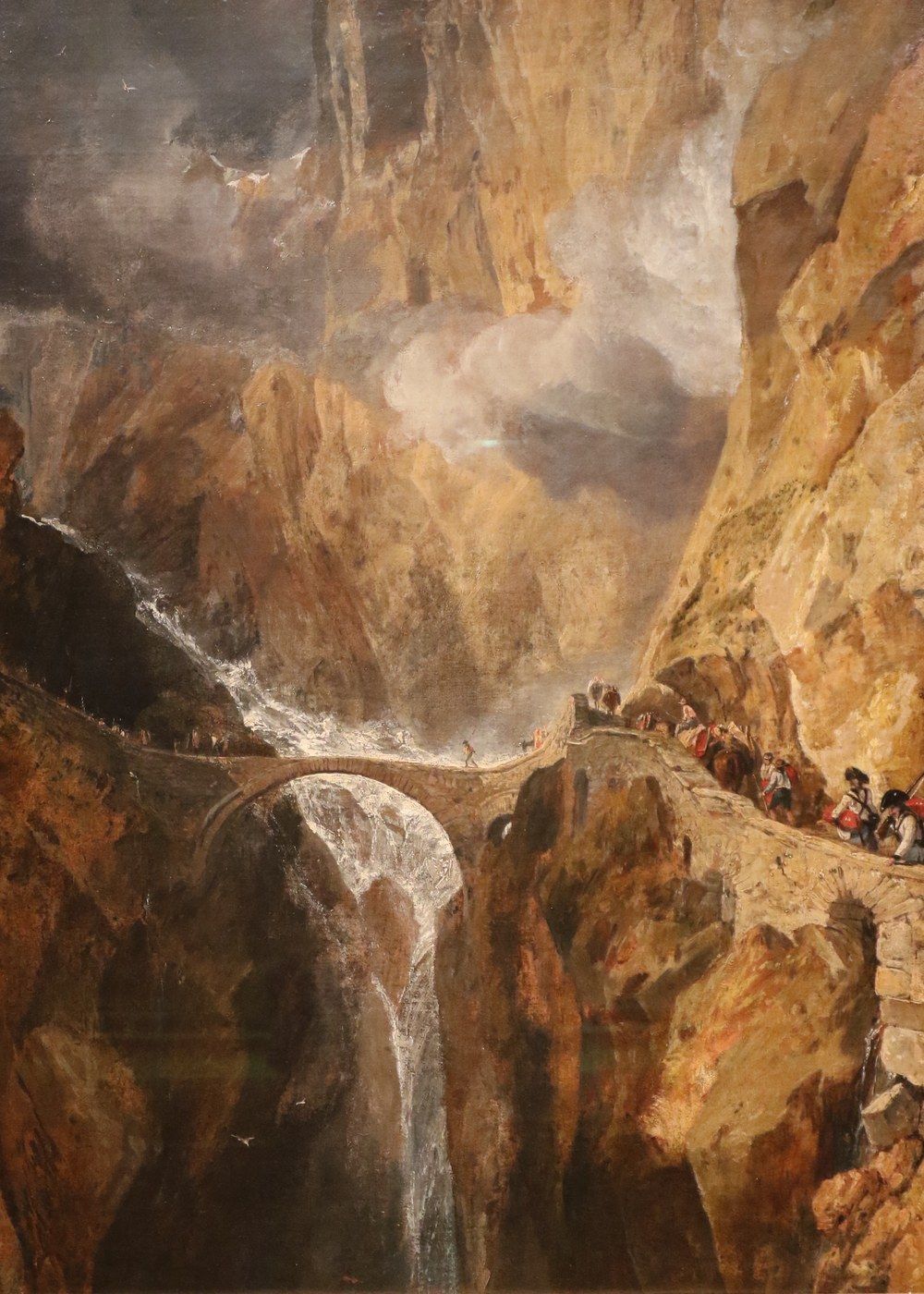

The close that holds.
"Which image captures what we just did?"
Strategy offsites end in bullet lists and slide decks. Most of it fades by Monday. The image is what people remember of the room: what they took with them, the moment that mattered. Closing with one keeps the work alive past the agenda.
Two ways the deck enters the room. Pick the one that fits your moment, or run both in the same session.
Conscious pick from a visible deck.
Participants browse the curated deck and pick what resonates. The conscious choice itself is part of the material. Default for opening rounds and most reflective moments.
Random draw, image revealed.
A brief shuffle, a face-down pile, a tap to reveal. Forced-random selection bypasses conscious bias and surfaces material the room wouldn't have chosen for itself. Default for the harder topics.
If you'd rather experience the deck before running it yourself, a facilitator can lead with your team the first time. The deck works the same way either path. Talk with John.
Meetings stopped starting with the weather, "I'm great," and "it's been busy."
· A team leader, paraphrased